



Korean Terminology and Poomsae
Education
History of World Taekwondo
Taekwondo is a modern martial art with deep roots in Korea’s ancient traditions, evolving into one of the most practiced sports in the world today.
Origins and Development
Taekwondo’s origins can be traced back over 2,000 years to early Korean martial arts such as Taekkyeon and Subak. These traditional systems emphasized kicking techniques, agility, and self-defence.
Following the end of World War II, Korean martial arts schools—known as kwans—began to unify their teachings. This led to the development of a standardized system, officially named Taekwondo in 1955. The name reflects its core principles:
- Tae (foot/kick)
- Kwon (hand/strike)
- Do (way or discipline)
Formation of World Taekwondo
In 1973, the global governing body for the sport, World Taekwondo (WT), was established in Seoul, South Korea. That same year, the first World Taekwondo Championships were held, marking the beginning of international competition and global expansion.
Olympic Recognition
Taekwondo’s popularity continued to grow rapidly, and it was introduced as a demonstration sport at the Seoul 1988 Olympic Games and the Barcelona 1992 Olympic Games.
In 2000, Taekwondo officially became a full medal sport at the Sydney 2000 Olympic Games, cementing its status as a global Olympic discipline.
Modern Taekwondo
Today, Taekwondo is practiced by millions of people across more than 200 countries. It combines traditional values—such as respect, discipline, and perseverance—with modern sporting excellence.
Under the guidance of organizations like World Taekwondo and national governing bodies such as British Taekwondo, the sport continues to grow at grassroots and elite levels.
A Global Martial Art
From its ancient origins to the Olympic stage, Taekwondo has become more than just a martial art—it is a way of life. It promotes physical fitness, mental strength, and international unity, making it one of the most dynamic and inclusive sports in the world today.Taekwondo martial art that focuses on striking techniques, including kicks, punches, and blocks. It’s well known for its emphasis on high, fast kicks and dynamic movements. It includes various forms (patterns of movements), sparring, and self-defence techniques.
Taekwondo it has long been a part of military hand-to-hand combat training for all Republic of Korea solders.
Today taekwondo is also known as an Olympic Sport.
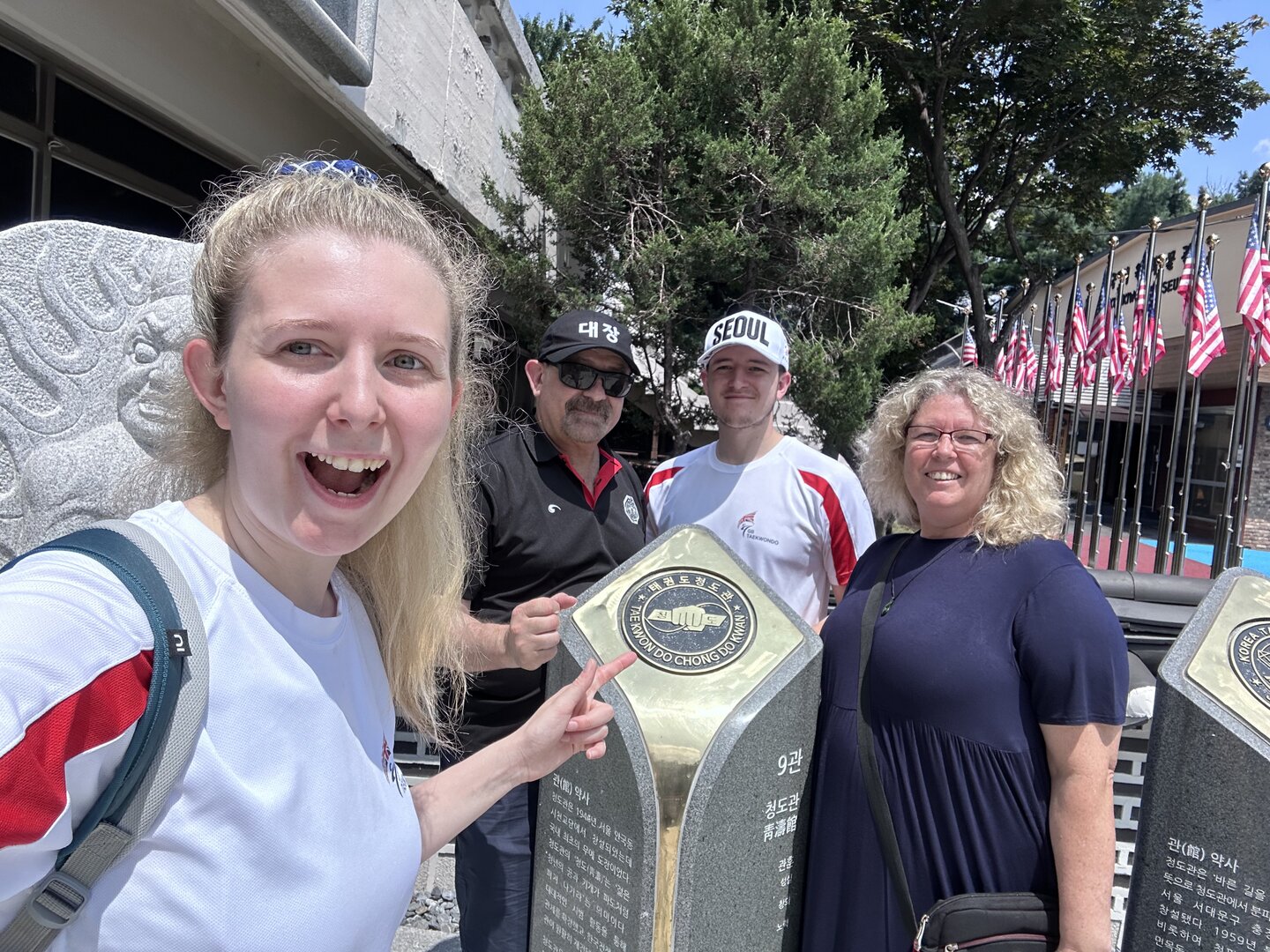
Chung Do Kwan
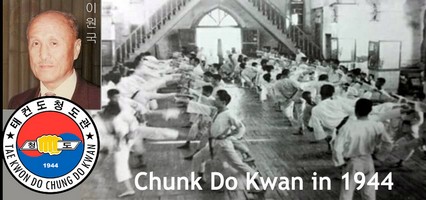
The Chung Do Kwan (靑濤館; "Blue Wave School") name was first used by Won Kuk Lee. Lee had studied Taekkyon in An Gup Dong (a uin Seoul), karate with Sensei Gichin Funakoshi in Okinawa, and kung fu at centres in Henan and Shanghai in China. Lee earned 4th dan ranking in Shotokan karate. According to Yong Taek Chung (a student of Lee) "it is probable that he did practice in secret as a teenager because he told this author that when he first started training he and his first teachers would not exchange names due to possible consequences if someone got caught." Chung Do Kwan was the second oldest of the martial arts schools, or "kwans", that were established following the Japanese Occupation of Korea, being established shortly after the Song Moo Kwan.
Taekwondo Kwans
Taekwondo kwans refer to the original schools or styles, which would later be called “Taekwondo”, that were developed after World War II in South Korea. Each kwan had its own unique approach to training and techniques. The kwans played a significant role in the development of the modern taekwondo.
The 5 “Original” Kwans
The five original kwans are:
- Chung Do Kwan: Founded by Lee Won Kuk in 1944. It emphasized a combination of Shotokan karate and traditional Korean martial arts.
- Moo Duk Kwan: Founded by Hwang Kee in 1945. It incorporated elements of Shotokan karate and indigenous Korean martial arts.
- Yun Moo Kwan: Founded by Yoon Byung-in in 1946. It was known for its unique kicks and emphasis on strong stances.
- Chang Moo Kwan: Founded by Ro Byung Jick in 1946. It focused on a combination of traditional Korean martial arts and Shotokan karate.
- Ji Do Kwan: Founded by Chun Sang Sup in 1946. It incorporated a mixture of Shotokan karate, Chinese martial arts, and traditional Korean martial arts
Expansion into 9+ Taekwondo Kwans/Styles
The 4 newer kwans included:
- Han Moo Kwan: Founded in August 1954 by Lee Kyo Yoon as an offshoot of the Yun Moo Kwan/Jidokwan.
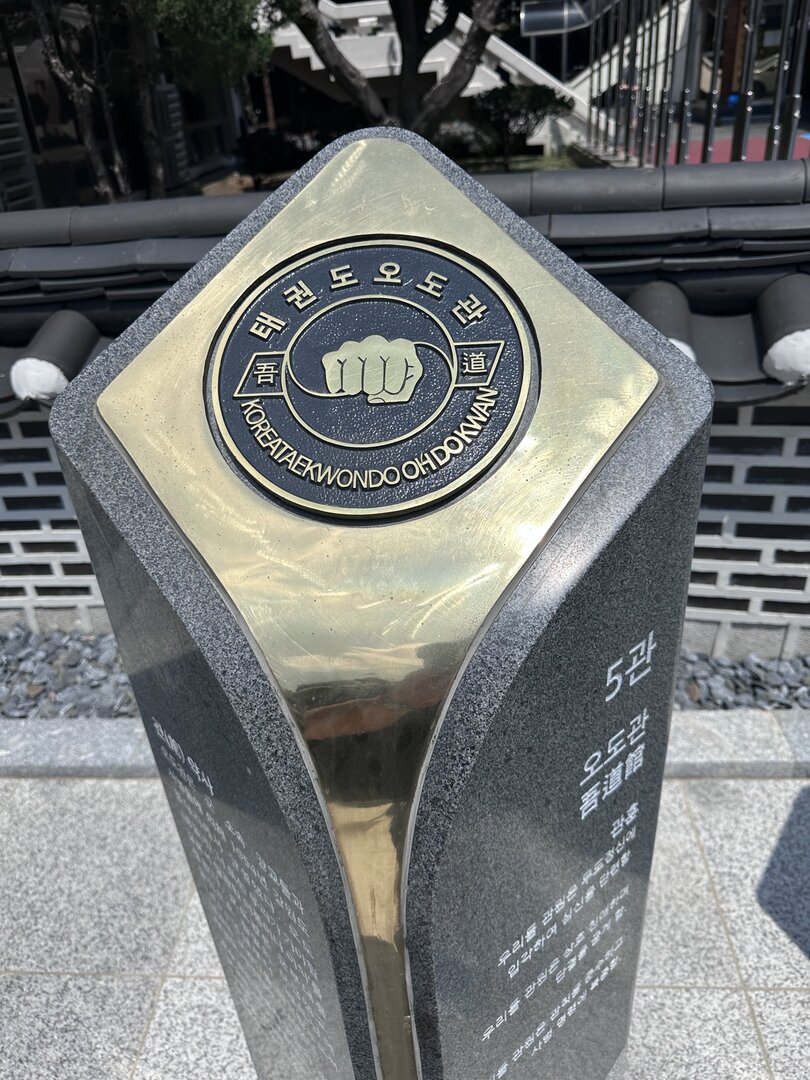
- Oh Do Kwan: Founded in 1955 by Choi Hong Hi, who also became honorary head of the Chung Do Kwan.
- Kang Duk Won: Founded in 1956 by Park Chul Hee and Hong Jong Pyo as an offshoot of the Kwon Bop Bu/Chang Moo Kwan.
- Jung Do Kwan: Founded in 1956 by Lee Yong Woo as an offshoot of the Chung Do Kwan
Kukkiwon
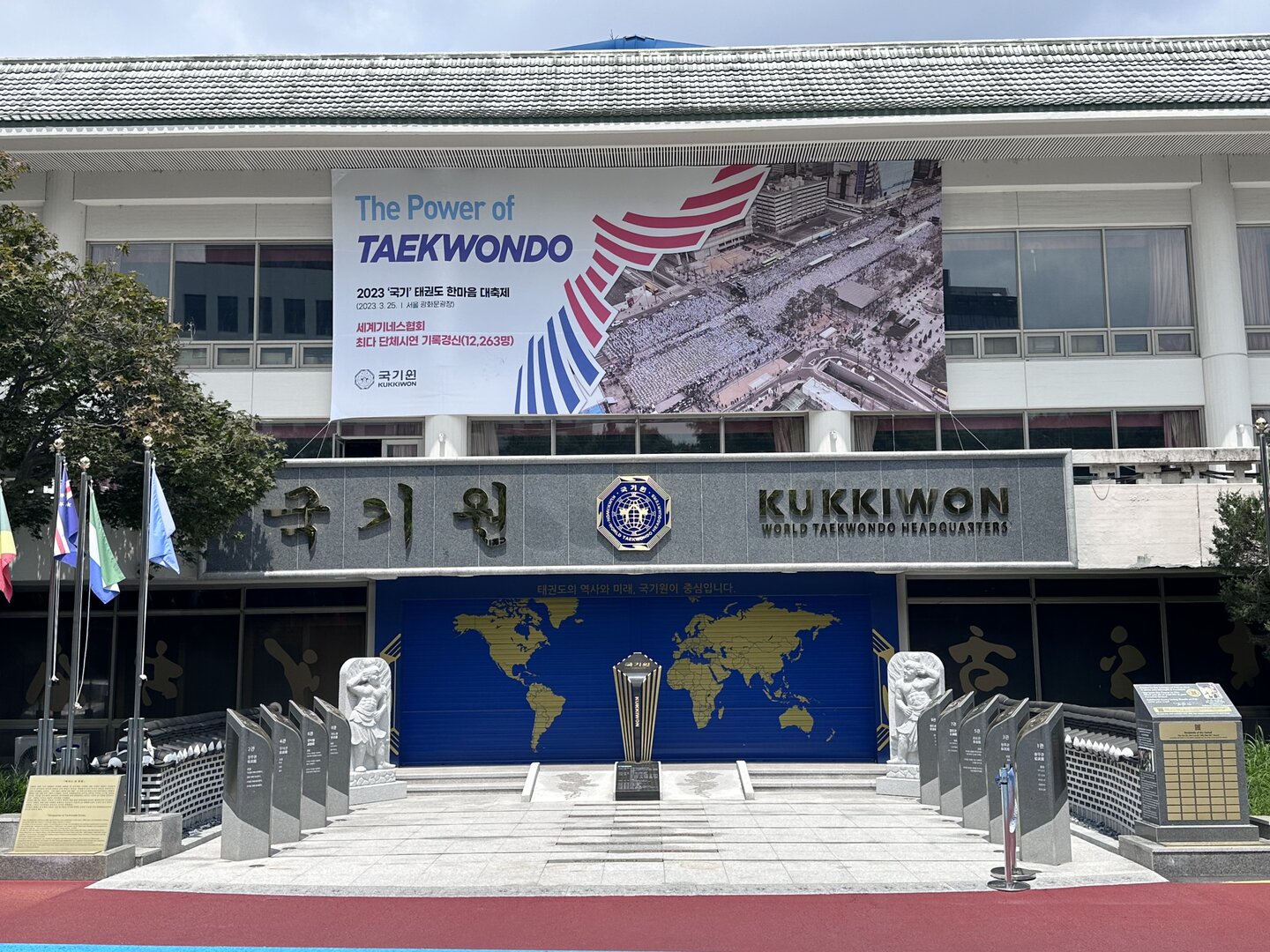
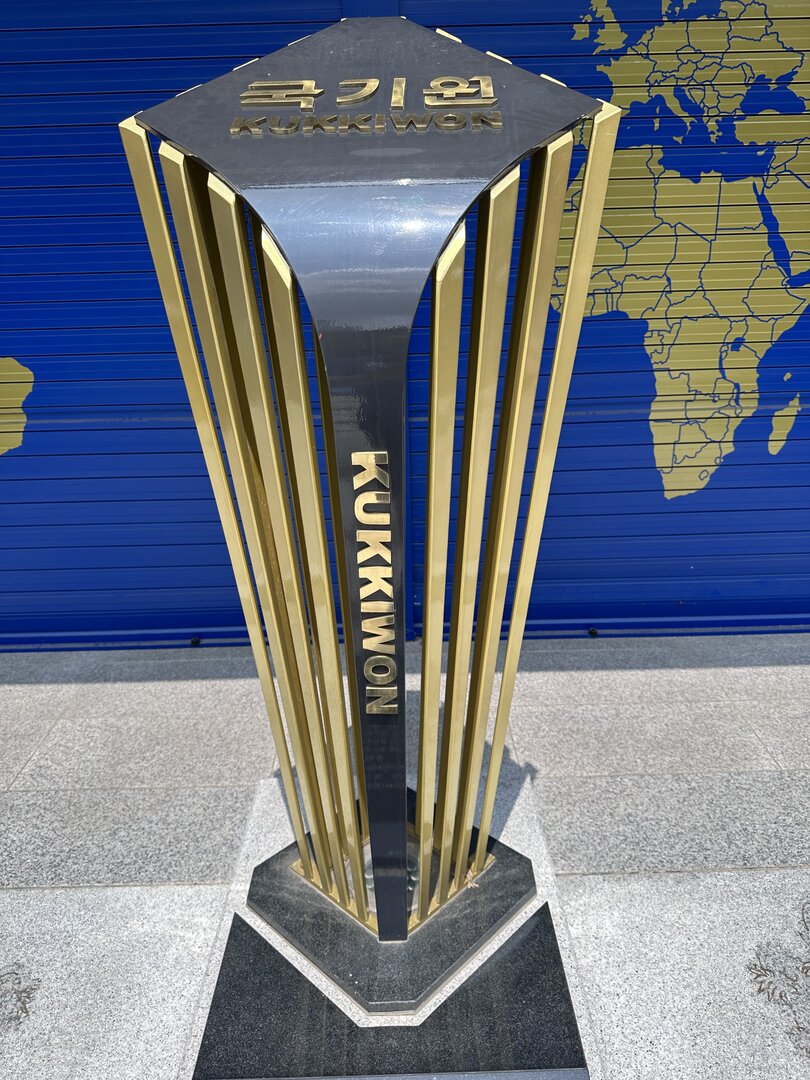
Kukkiwon is the official headquarters of the World Taekwondo Federation (WT) and the centre for taekwondo education and training. It’s located in Seoul, South Korea, and serves as a hub for promoting and developing the sport of Taekwondo internationally. Kukkiwon was founded as a Central Dojang of a traditional Korean martial art in 1972.
Kukkiwon is responsible for standardizing Taekwondo techniques, providing instructor certifications, and organizing events and competitions in collaboration with World Taekwondo (WT)
It’s not about being better than someone else.
It’s about being better than you were before!